
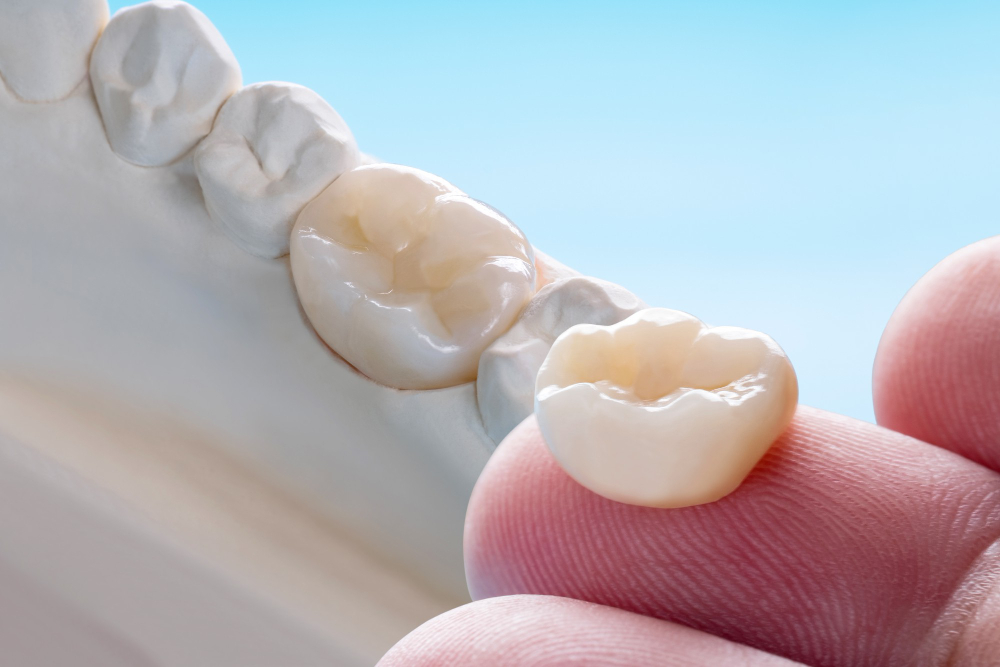
What Are Dental Crowns?
Dental crowns are covers that fit over damaged or weak teeth. Dentists use them to restore the shape, size, and strength of a tooth. Often, dental crowns help protect teeth after injury or decay. For many people, crowns are a key part of tooth restoration options. According to the American Dental Association, crowns can last for many years with proper care. While crowns look like natural teeth, they also help with chewing and speaking. Because they are custom-made, crowns blend in with your smile.
Types of Dental Crowns
There are several types of dental crowns. Each type has its own benefits. Dentists help choose the best one for your needs. Common types of dental crowns include:
Because each material has pros and cons, your dentist will explain which is best for your tooth restoration.
Common Uses of Dental Crowns
Dental crowns serve many purposes in dental care. For example, dentists use them to:
In many cases, dental crowns are part of tooth restoration options after root canal treatment. Because they are so versatile, crowns help many people regain a healthy smile.
Benefits of Dental Crowns for Tooth Restoration
Dental crowns offer many benefits for tooth restoration. First, they protect weak teeth from further damage. In addition, crowns restore the shape and function of teeth. Many patients find that crowns improve their ability to chew and speak. Because crowns look natural, they also boost confidence. According to the CDC, dental crowns can help prevent tooth loss. For these reasons, crowns are a popular choice for restoring teeth.
How Dental Crowns Are Placed
The process of getting a dental crown usually takes two visits. During the first visit, the dentist prepares your tooth. Next, they take an impression to create a custom crown. While you wait for the permanent crown, you may get a temporary one. At the second visit, the dentist fits and cements the new crown in place. Because the crown is made to match your other teeth, it blends in well. Many people return to normal eating soon after placement.
Caring for Dental Crowns
Proper care helps dental crowns last longer. For best results, follow these tips on how to care for dental crowns:
Because crowns can still get cavities at the edges, good oral hygiene is important. Your dentist can give more advice based on your needs.
Potential Risks and Considerations
While dental crowns are safe, there are some risks to consider. Sometimes, crowns can become loose or fall off. In rare cases, you may feel pain or sensitivity after placement. Occasionally, the crown may chip or crack. If you notice any problems, contact your dentist right away. For most people, these issues are easy to fix. Because crowns cover the tooth, decay can still happen at the gum line. Regular dental visits help catch problems early.
Prevention and Oral Health Tips
Good oral health can help you avoid needing dental crowns. For example, brush and floss every day. Eat a balanced diet with limited sugar. Visit your dentist for regular exams and cleanings. If you play sports, wear a mouthguard to protect your teeth.
Because healthy habits lower your risk of tooth damage, you may need fewer dental treatments, consult dentist at Dentmax Dental Clinic .