Dental veneers are thin covers placed on the front of teeth. Many people choose dental veneers to improve their smile appearance and boost confidence. In fact, porcelain veneers for smile makeover are popular because they look natural and last long. If you want to know how cosmetic dental veneers benefits your teeth, this guide explains everything in simple terms.
What Are Dental Veneers?
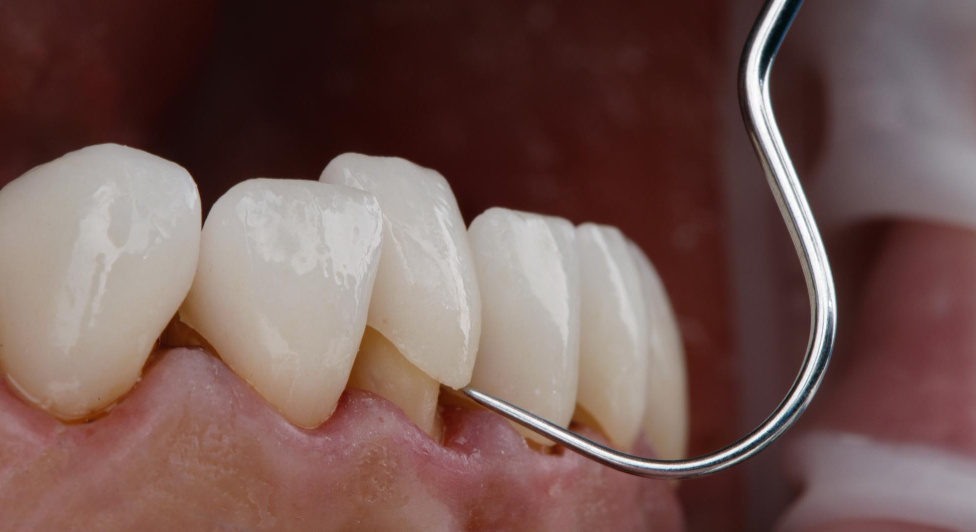
First, dental veneers are custom-made shells. Dentists bond them to the front of your teeth. Usually, they are made from porcelain or resin. Porcelain veneers for smile makeover are especially popular because they resist stains and look like real teeth. According to the American Dental Association, veneers can fix many cosmetic issues, such as chipped, stained, or uneven teeth.
Because veneers are thin, they do not feel bulky. Instead, they blend in with your natural teeth.
How Dental Veneers Improve Smile Appearance
Dental veneers can change the look of your teeth quickly. For example, they cover stains that do not go away with whitening. In addition, veneers can hide chips, cracks, or gaps between teeth. As a result, your smile looks even and bright. Many people choose improving tooth appearance with veneers because the results are fast and dramatic.
Because veneers reflect light like natural teeth, they give a realistic and attractive look.
Benefits of Dental Veneers for Tooth Aesthetics
There are many cosmetic dental veneers benefits. Not only do they improve how your teeth look, but they also boost self-esteem. For instance, people often feel more confident after getting veneers. Additionally, veneers are custom-made to match your natural teeth, so they blend in well.
Because veneers are strong, they can last for many years with good oral hygiene.
Who Is a Good Candidate for Dental Veneers?
Not everyone needs dental veneers, but many people can benefit from them. Generally, you may be a good candidate if you have healthy teeth and gums. However, people with severe tooth decay or gum disease may need treatment first. Dentists often suggest veneers for:
Since veneers are a cosmetic option, your dentist will check if they are right for you.
The Dental Veneer Procedure: Step-by-Step
Getting dental veneers usually takes two or three visits. First, your dentist will examine your teeth and discuss your goals. Next, a small amount of enamel is removed from the tooth surface. This step makes room for the veneer. After that, your dentist takes an impression of your teeth. The dental lab uses this mold to create your custom veneers.
Because the process is simple, most people feel little discomfort. The final step involves checking the fit and color before bonding the veneers in place.
Care and Maintenance of Dental Veneers
Even though veneers are strong, they still need care. Brushing and flossing every day helps keep your veneers and natural teeth healthy. In addition, regular dental check-ups are important. Dentists recommend avoiding hard foods, like ice or hard candy, to prevent chipping. Also, do not use your teeth to open packages.
Because veneers resist stains, you can enjoy coffee or tea in moderation. Still, good oral habits help them last longer.
Potential Risks and Considerations
While dental veneers are safe, there are some risks. For example, the process is not reversible because a thin layer of enamel is removed. Sometimes, veneers can chip or come loose if you bite hard objects. Also, your teeth may feel sensitive to hot or cold for a short time after the procedure.
Because every person is different, your dentist will explain all risks before starting treatment. According to the American Dental Association, most people are happy with their veneers when they follow care instructions.
Frequently Asked Questions about Dental Veneers
Do veneers look natural?
Yes, porcelain veneers for smile makeover are designed to match your natural teeth. They reflect light like real enamel.
How long do veneers last?
With good care, veneers can last 10 to 15 years or longer. However, they may need replacement over time.
Are veneers painful?
Most people feel little to no pain during the procedure. Some may have mild sensitivity for a few days.
Can I eat normally with veneers?
Yes, you can eat most foods. Still, avoid biting hard items to prevent damage.
Do veneers require special care?
No, just brush and floss as usual. Regular dental visits help keep your veneers and teeth healthy.
Conclusion
If you are thinking about improving your smile, Dentmax Dental Clinic is here to help. Book a consultation today to learn if dental veneers are right for you.